Customs Inspection Step by Step - What You Need to Know
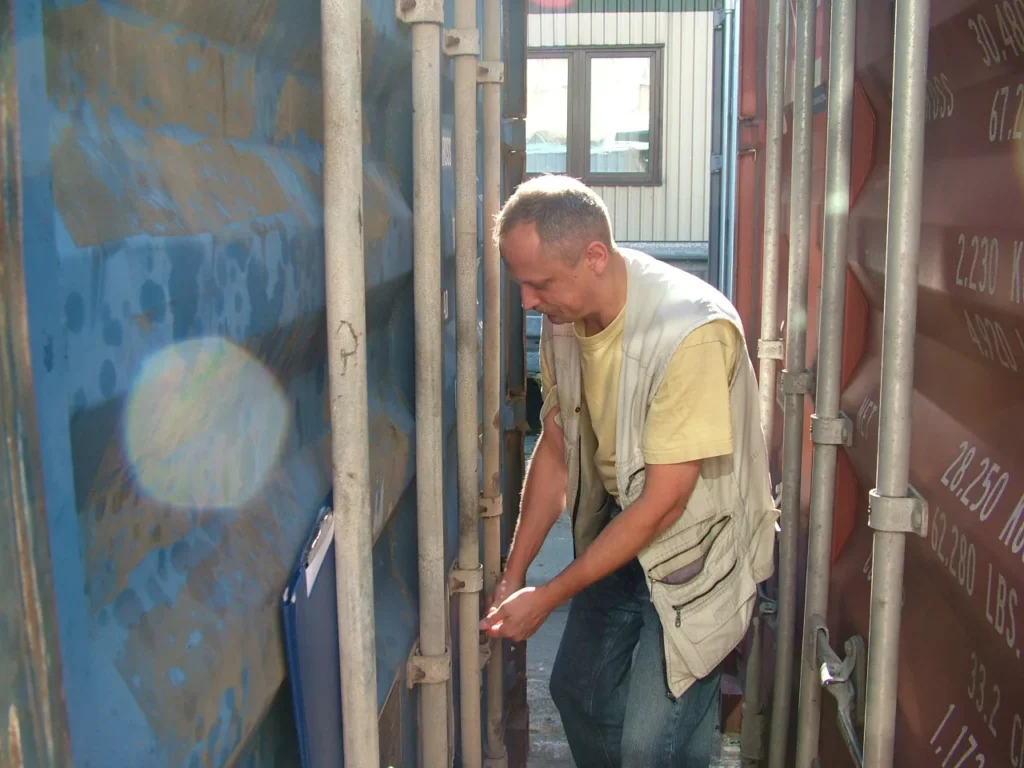
Customs inspection is a crucial stage in the import and export process, aimed at ensuring compliance with regulations and preventing illegal trade in goods. It is carried out by customs and fiscal authorities, and its scope covers both documentation verification and physical inspection of cargo.
How does a customs inspection work?
The standard customs inspection procedure consists of several successive stages:
- Customs declaration - the importer or their representative (e.g., a customs agency) submits a declaration along with required documentation to the relevant customs office.
- Documentation analysis - the office verifies the correctness and completeness of submitted documents.
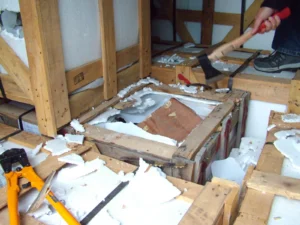
- Physical goods inspection - if necessary, a physical examination of the cargo is conducted.
- Calculation of duties and taxes - based on the customs value of the goods, applicable charges are calculated.
- Clearance approval - after payment of charges, the goods are released for circulation.
Which goods are subject to special scrutiny?
Customs authorities pay particular attention to the following categories of goods:
- excise products - alcohol, cigarettes, fuels,
- goods subject to sanitary and phytosanitary restrictions - food, plants, animals,
- chemical and pharmaceutical substances,
- electronics and household appliances - in terms of compliance with safety standards,
- works of art and antiques - requiring export permits.
Required documents
Proper customs clearance requires the preparation of complete documentation. The most important documents include:
- Commercial invoice - the basis for determining customs value and calculating duties.
- Transport document (CMR, AWB, B/L) - a document confirming the method of transport.
- Packing list - a detailed description of transported products.
- Certificate of origin - a document confirming the country of origin, required for preferential duty rates.
- Licenses and certificates - additional documents depending on the type of goods, e.g., sanitary certificates.
Obligations of importers and exporters
Smooth customs clearance requires:
- thorough preparation of complete documentation,
- compliance with applicable customs and tax regulations,
- timely payment of all customs and tax charges,
- ensuring that goods comply with standards and regulations in force in the destination country.
How to streamline customs clearance?
To avoid unnecessary delays, it is advisable to:
- carefully prepare and verify all documentation before initiating the process,
- check current regulations regarding the goods being transported,
- use the services of a professional customs agency to help with all formalities,
- monitor the status of your case through customs systems to respond quickly to any issues.
Summary
Customs inspection is an integral part of international trade in goods. Proper documentation and knowledge of procedures enable smooth clearance and help avoid costly delays. Both importers and exporters should comply with applicable regulations - and in case of doubt, seek support from an experienced Magemar customs agency.