How to Organize Maritime Transport? A Practical Guide
Maritime transport is one of the most popular methods of shipping goods over long distances. It is estimated that around 80-90% of goods imported from China reach Europe by sea. This solution combines competitive pricing with the ability to transport large volumes of cargo. However, to fully benefit from its advantages, proper preparation and completion of all formalities are essential.
What is maritime transport?
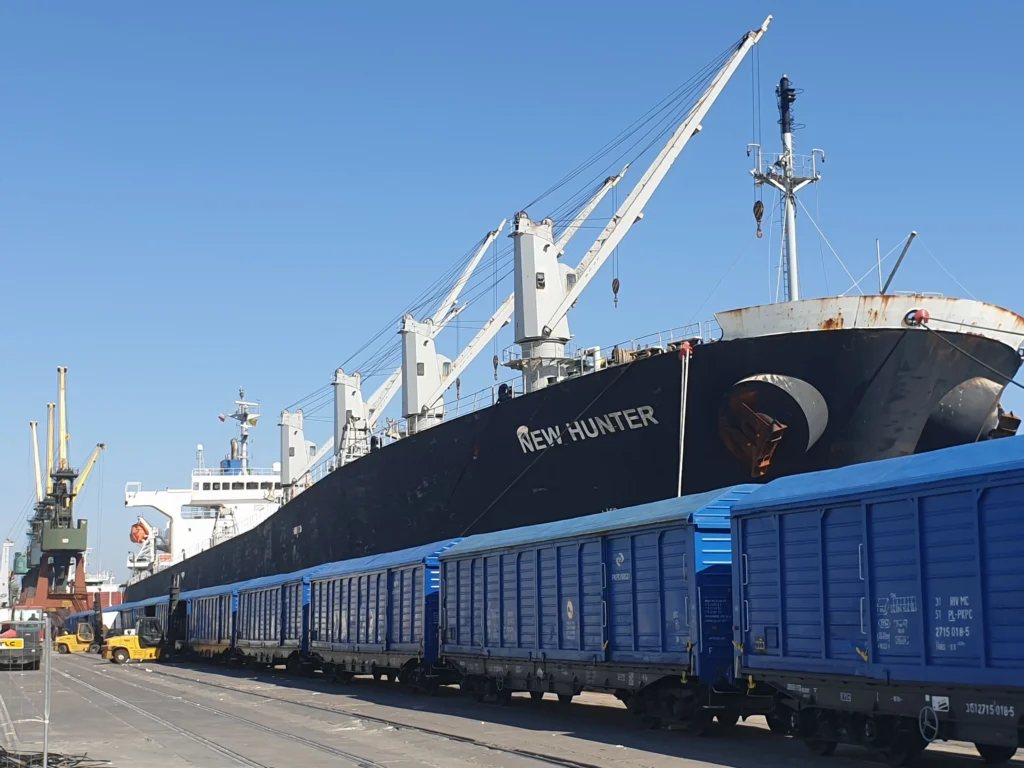
Maritime transport is a form of shipping that involves the carriage of goods by sea for commercial purposes. Specialized vessels are used for this purpose - general cargo ships, bulk carriers, and container ships.
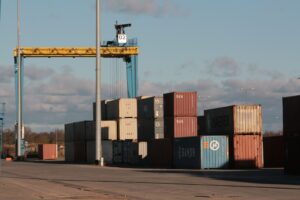
The most common type are container ships, designed exclusively for transporting containers. In the logistics industry, the abbreviation FCL (Full Container Load) refers to a fully containerized shipment, typically from a single sender to a single recipient.
How to ensure safe maritime transport?
It is advisable to entrust the organization of maritime transport to an experienced freight forwarding company that will take care of:
- preparing transport and customs documentation,
- insuring the cargo for the duration of transit,
- ongoing shipment monitoring at every stage of the journey.
The forwarder’s experience and their network of cooperating institutions - including customs agencies - are particularly important, as they enable smooth movement of cargo from sender to recipient.
Delivery by sea typically takes 3-4 weeks. Throughout this period, it is important to know the vessel’s current position in order to plan further logistics. Failure to complete formalities may result in costly port delays, and in the case of perishable goods such as food - loss of product viability.
What documents are required?
Preparing documentation for maritime transport is a complex process that involves obtaining certificates and permits required by national and international regulations. Requirements may vary depending on the type of goods, their quantity, and the destination country. It is worth coordinating with the recipient in advance to determine what documents they will need to collect the shipment.
The most commonly required documents include:
- commercial documents (invoice, packing list),
- export licenses,
- customs documents,
- instructions for dangerous goods (ADR/IMDG).
Based on these, the forwarder prepares the Bill of Lading (B/L) - the key document in maritime transport. It provides the carrier with essential information about the cargo and authorizes the recipient to collect the goods at the port of destination.
Summary
Maritime transport is considered safe and cost-effective, but its proper organization requires experience and knowledge of current international regulations. It is worth entrusting this task to a proven freight forwarding company specializing in ocean transport - such as Magemar.