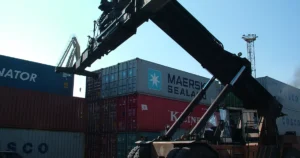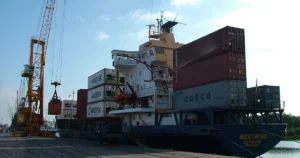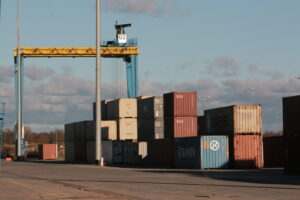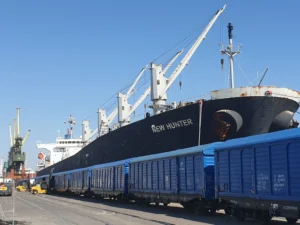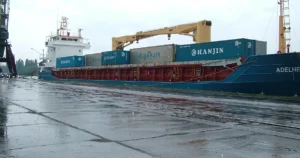


Sea transport is the backbone of international trade and the most efficient way to move large volumes of goods worldwide. At Magemar, we provide comprehensive ocean freight forwarding services, including transport planning, freight organization, port handling and customs formalities - from shipment origin to final delivery
Sea Transport & Ocean Freight Forwarding - call us or send an enquiry. We prepare every quote individually.

Sea transport handles over 80% of global trade and remains the most efficient way to move large volumes over long distances.
We provide comprehensive ocean freight forwarding - transport planning, freight, port handling and customs formalities, from dispatch through to delivery. The client has a single point of contact instead of several parties. Working with container lines and tramp operators, we handle both regular liner services and charters for non-standard cargo.
We organise the full range of sea transport services, from a single container to the charter of an entire vessel, together with port handling, documentation and customs clearance.

Every order follows the same sequence, from cargo analysis through to delivery, so the client always knows where the shipment stands.
We analyse the type of cargo and client requirements
We select the optimal transport solution
We organise freight and port operations
We monitor the shipment and keep the client informed
We ensure safe and timely delivery
We have worked in sea freight forwarding since 1999, with our office and our own customs agency at the Port of Szczecin. That has practical consequences: direct access to carrier rates, clearance handled in house and a short route to the cargo itself.
Decades of experience in sea freight forwarding - clients from across Poland since 1999
Cooperation with global shipping lines - access to competitive rates and cargo space
AEO Certified Customs Agency - our own, at the Port of Szczecin
Flexible approach to every cargo type - containers, bulk, oversized and hazardous
Comprehensive one-stop service - freight, clearance, port forwarding and road transport
Direct location at the Port of Szczecin

Contact us and request a sea transport quotation.
Contact us →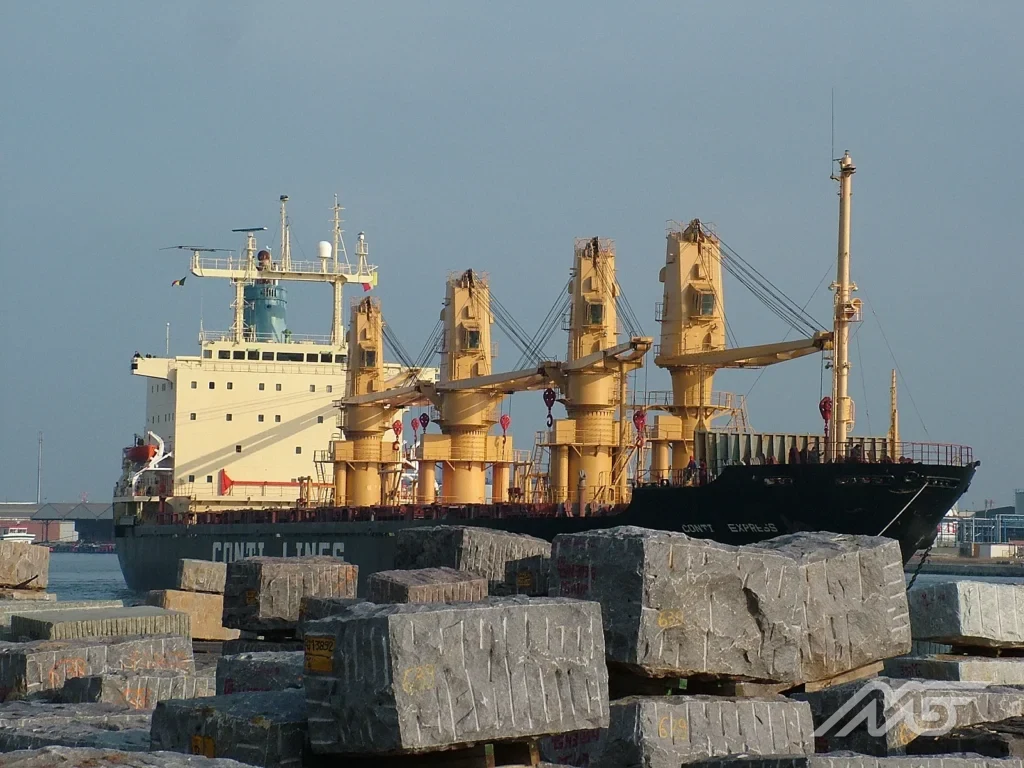
Sea transport divides into liner shipping, which runs to a fixed schedule between ports, and tramp shipping, where a vessel is chartered for a specific cargo. The mode of transport and the type of vessel are chosen to suit the cargo, not the other way round.
The backbone of international trade. Goods travel in standardised 20 ft and 40 ft containers, which can be transferred to a lorry or railway wagon without the unit being opened. The largest container ships now carry over 24,000 TEU, the equivalent of 24 thousand twenty-foot containers.
These carry dry bulk cargo loose and unpackaged: coal, grain, ores, aggregates and fertilisers. It is the cheapest way to move vast quantities of a single commodity over long distances.
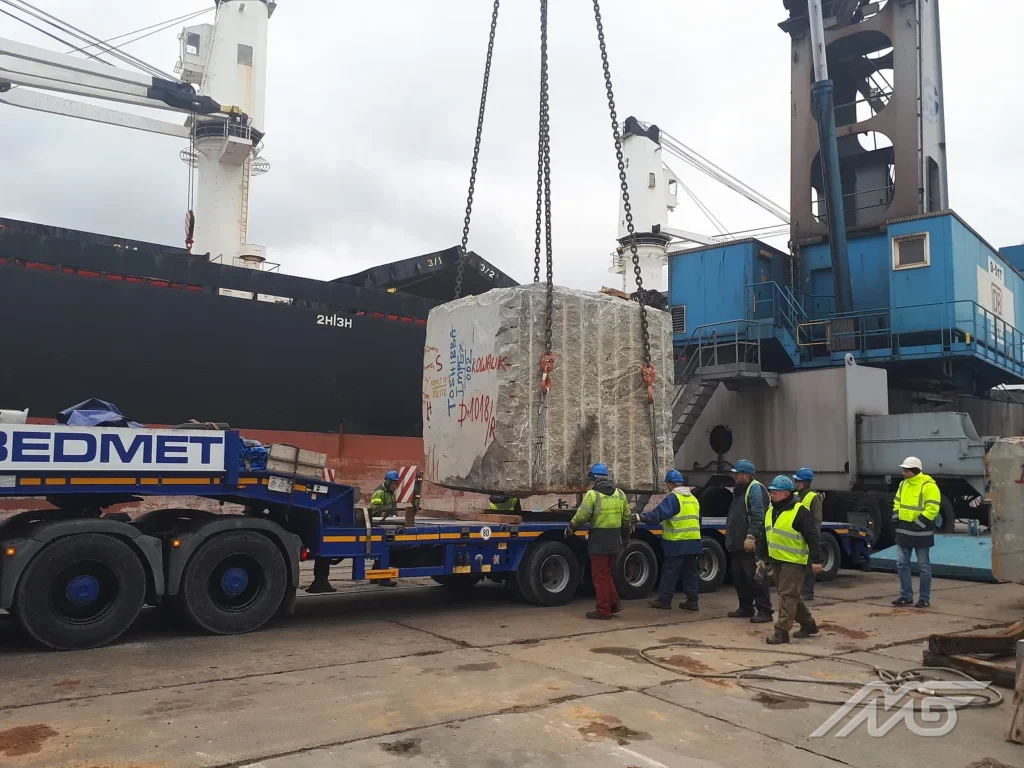
These handle goods that will not fit in a container, or that are not worth containerising: steel structures, machinery, metallurgical products, stone in blocks. Break bulk transport calls for an individual loading and securing plan.
These carry cargo requiring controlled temperature - fruit, frozen food, pharmaceutical products. A refrigerated container, or reefer, achieves the same result by being plugged into the power supply on board and at the terminal.
Waterborne transport of liquid cargo: crude oil, fuels, chemicals and liquefied gases. A separate category of vessel with its own safety requirements and its own handling terminals.
Ro-ro carries wheeled cargo that drives on board up a ramp. Heavy lift ships have their own cranes with lifting capacity measured in hundreds of tonnes and handle oversized cargo beyond the reach of any quayside crane.
At Magemar we arrange container sea transport on FCL and LCL terms, break bulk and project shipments, and ship charters for bulk cargo including granite, coal and grain.
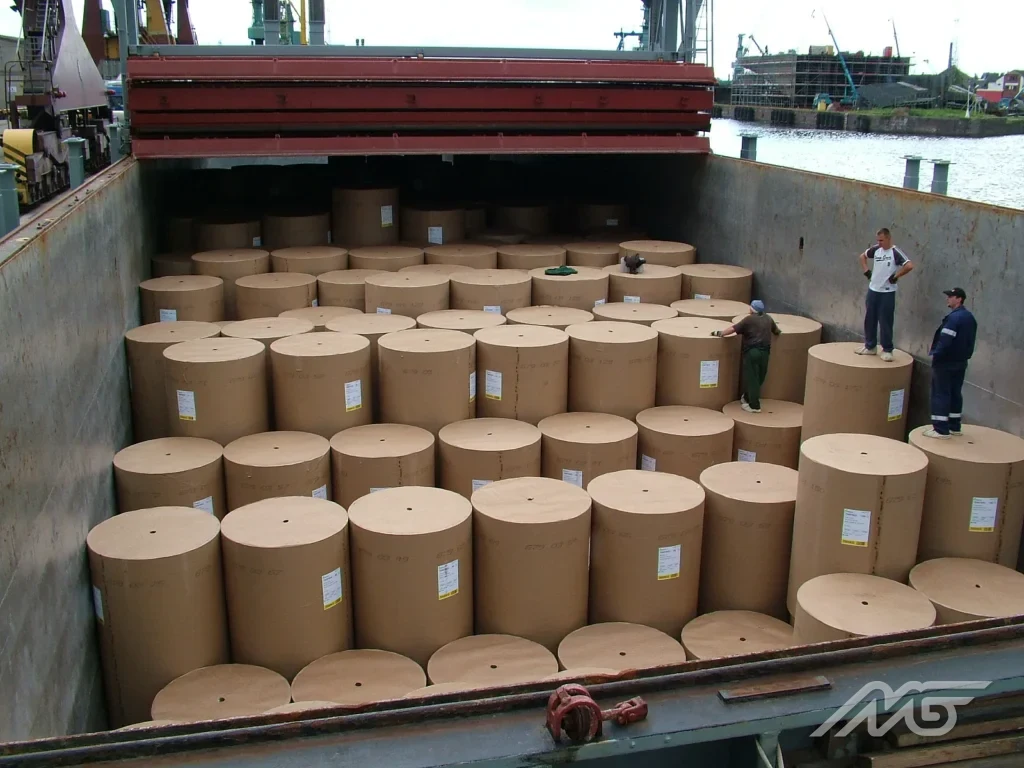
Practically any product that can stand a few weeks in transit and does not have to arrive tomorrow travels by sea. The deciding factor is the value of the cargo relative to the cost of moving it, not the type of goods as such. For most industries it is this leg of the supply chain that sets the date on which goods reach the production line or the shelf.
Industrial and consumer goods, components, electronics, textiles, furniture, packaging. The container protects the goods against weather and theft, and sealing simplifies customs clearance.
Coal, grain, ores, fertilisers, aggregates and cement. Carried loose, by the holdful, at unit costs no other mode of transport can match.
Granite, marble and quartzite travel from China, India, Brazil and Turkey in blocks or as slabs on A-frames. This is one of the cargoes we handle most often - high mass in relatively little volume calls for careful distribution inside the container and secure lashing for the voyage.
Machinery, production lines, steel structures and components of industrial investments. Each such shipment is planned separately, together with loading, securing and discharge at the port of destination.
Goods exceeding container dimensions and road limits: turbines, tanks, bridge sections, large-scale equipment. Sea transport is sometimes the only workable option for oversized cargo, because a vessel is not constrained by the height of road bridges.
Chemicals, flammable materials and other cargo classified under the IMDG Code. These require separate documentation, marking and a declaration to the carrier, and some are restricted as to where on the vessel they may be stowed.
The greatest advantage of sea transport is the cost of moving one tonne over a long distance; the greatest disadvantage is time. That is why goods planned well in advance go by sea, and urgent goods do not.
Air transport will deliver a consignment within days, but at rates many times higher and with a weight limit. Road transport is flexible and efficient on European routes, yet uneconomical over intercontinental distances. Rail from China to Europe sits in between: faster than a ship, dearer than a ship. Sea transport wins wherever cost matters and the quantity of goods is large.
Sea transport is worth choosing when you have large quantities of goods, an intercontinental distance and a schedule set at least several weeks ahead. With those three conditions in place, no other mode will be cheaper. International movement of bulk and containerised goods is in practice carried out entirely by sea.
For urgent consignments of high value and low weight, air transport makes more sense. For deliveries within Europe, road transport does, with no transhipment and no clearance. Multimodal transport combines the two: ocean freight on the main leg, road haulage on the last one.
This is what sea transport looks like from enquiry to delivery. On a route from Asia the whole process usually takes four to eight weeks, of which the voyage itself accounts for roughly half.
We establish the type of cargo, its weight and dimensions, the ports of loading and discharge, and the Incoterms rule. On that basis we quote the freight rate and the transit time.
We book space with the carrier on a specific vessel and confirm the cargo closing date at the port of loading.
The cargo travels from the shipper's warehouse to the terminal. On imports this is usually done by a partner in the country of dispatch; on exports, by our own road transport.
The goods are loaded on board and the carrier issues a bill of lading confirming receipt of the cargo for carriage. Heavy and unusual cargo requires specialist securing at this stage, agreed with the terminal in advance. In parallel we prepare the full set of documents required for import or export.
The vessel sails the planned route, sometimes with transhipment at a hub port. We monitor the shipment throughout and keep the client informed of any schedule changes.
Once the vessel berths, the cargo is discharged to the terminal and our customs agency handles clearance. AEO status allows simplified procedures to be used, which shortens the wait for release of the goods.
Road transport covers the final leg - we take over the container or the cargo from the quay and deliver it to the address given. The client receives one set of documents and one invoice for the entire operation.
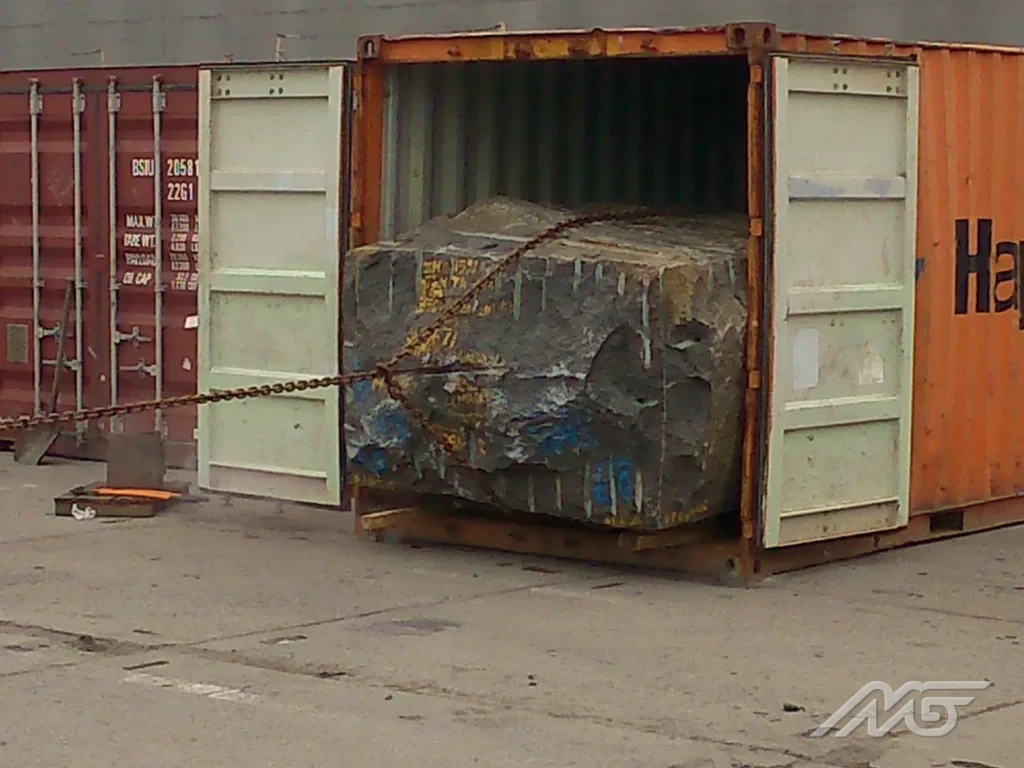
FCL means a whole container hired for one consignment; LCL means space in a container shared with others. Above roughly 15 cubic metres FCL usually works out cheaper, even though the charge covers the entire unit.
The container travels sealed from shipper to consignee, without being opened on the way. Shorter transit time, less risk of damage and simpler customs clearance, because the unit holds one owner's goods. Available as 20 ft, 40 ft and 40 ft High Cube containers, the last of these with extra height.
The consignment is consolidated with other clients' cargo and the cost is calculated on volume or weight occupied. This suits smaller quantities of goods, where hiring a whole container would not pay. Time for consolidation before departure and deconsolidation after arrival has to be added.
We offer FCL and LCL container sea transport on routes worldwide, together with customs clearance and delivery to the warehouse.
The cost of sea transport is not the freight rate alone but the sum of several items, and transit time from Asia to Poland is usually 30-45 days from the vessel's departure. We prepare every quotation individually, because freight rates change from week to week.
Booking and the cargo closing date before departure have to be added to the voyage time, and with LCL so does consolidation. Scheduled transport is therefore planned backwards, from the date on which the goods have to be in place.
The principal document in sea transport is the bill of lading. It confirms that the cargo has been received for carriage and entitles the holder to collect it at the port of destination. Without the full set of documents the goods will not clear customs.
Issued by the carrier once the goods are on board. It serves three purposes at once: it evidences the contract of carriage, it is a receipt for the cargo, and it is a document of title against which the goods are released.
The invoice states the value of the goods, on which duty and VAT are assessed. The packing list describes the contents of each piece: weight, dimensions and the way it is packed.
The customs declaration, the certificate of origin and, for some goods, permits and certificates. Imports of food, plants and timber additionally involve phytosanitary and veterinary inspection.
We prepare the complete set of documents ourselves - the client does not need to know customs regulations or keep track of clearance deadlines.
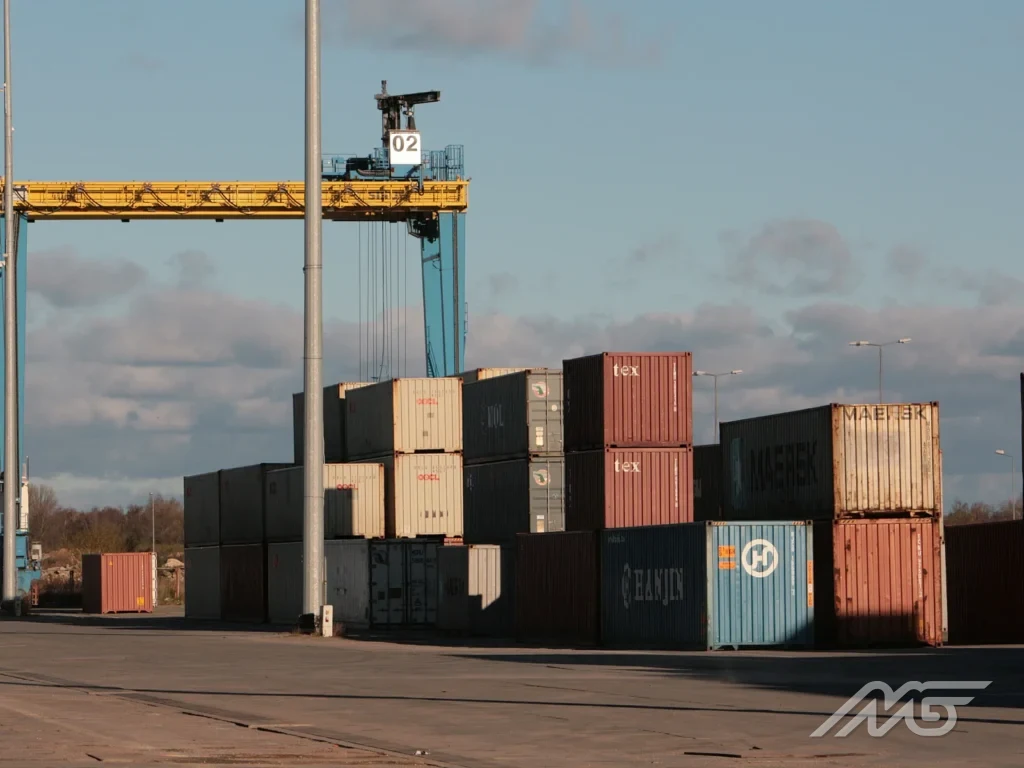
The global container shipping market is dominated by a handful of carriers, and most cargo passes through a dozen or so of the largest ports. Knowing that map translates into practical things: availability of space on board and length of transit. It is in the seaports that it is decided whether a planned logistics process will hold its deadline.
The biggest fleets today belong to MSC and Maersk, followed by CMA CGM, COSCO and Hapag-Lloyd. Their vessels operate scheduled services between Asia, Europe and America. We work with leading container lines and with tramp operators, who run charters for bulk and project cargo.
By container throughput the leaders are Shanghai, Singapore and Ningbo-Zhoushan. They set the pattern of ocean routes, because that is where the greatest quantity of goods is concentrated, and they set the pace of global logistics.
In Europe the key roles are played by Rotterdam, Antwerp-Bruges and Hamburg. A large share of cargo from Asia arrives there first and is then distributed to Baltic ports by smaller vessels.
The largest Polish ports are Gdansk, Gdynia and the Szczecin-Swinoujscie port complex. Szczecin handles mainly bulk, break bulk and oversized cargo, and its infrastructure of storage yards and warehouses can take goods that need longer storage.
Our office operates directly at the Port of Szczecin, which shortens response times to operational situations and allows transhipment, storage and onward carriage to be coordinated from one place.
The sea voyage from Chinese ports to Europe usually takes 30-45 days, with a few days on top for customs clearance and delivery to the warehouse. Total transit time depends on the port of departure, the number of transhipments along the way, and whether the goods travel FCL or LCL, where consolidation and deconsolidation have to be added.
Ocean freight rates change from week to week and depend on the trade lane, the season and the availability of space on board, which is why we prepare every quotation individually. Besides the freight itself, the cost includes terminal handling charges, port handling, customs clearance with duty and VAT, road transport from the port and cargo insurance. We provide a quotation covering all of these within 24 hours of the enquiry.
FCL is a whole container hired for one consignment; LCL is a charge for space in a container shared with others. With FCL the unit travels sealed from shipper to consignee, which shortens transit and simplifies clearance. LCL pays off for smaller quantities, typically up to a dozen or so cubic metres. Above that it is worth pricing both options, as the difference is often small.
The basis is the bill of lading, together with the commercial invoice, the packing list and the customs declaration. Depending on the goods, a certificate of origin, quality certificates, a fumigation certificate for wooden packaging and a dangerous goods declaration may also be needed. Magemar prepares the entire set, along with clearance through our own customs agency.
A bill of lading is a document issued by the carrier once the cargo has been taken on board. It serves three purposes at once: it evidences the contract of carriage, it is a receipt for the goods, and it is a document of title against which the cargo is released at the port of destination. Without the original, or its electronic equivalent, the consignee cannot take the goods from the terminal.
Yes. Properly packed and secured, cargo carried by sea is among the safest modes of transport. The container protects the goods against the weather and the seal against third-party access. The risk lies mainly with poorly distributed or inadequately secured cargo, which is why we plan the stowage ourselves for heavy and unusual shipments. Regardless of that, we recommend cargo insurance, calculated on the value of the consignment.
Practically any goods that can stand a few weeks in transit. Cargo carried by sea includes containerised, bulk, break bulk, refrigerated, oversized and dangerous goods. What we handle most often is natural stone, timber products, bulk commodities, steel structures and machinery. Restrictions apply mainly to cargo requiring controlled temperature and to dangerous goods, which are subject to separate procedures and documentation.
Yes. Cargo exceeding container dimensions travels on general cargo vessels and under charter, loaded by quayside crane or by the ship's own gear. For such projects we draw up a separate operating plan: choice of vessel, method of securing, arrangements with the terminal and onward oversized transport by road, together with the necessary permits.
Multimodal transport is the carriage of one consignment by several modes of transport under a single contract, without the goods being repacked. In practice it most often looks like this: ocean freight on the intercontinental leg, transhipment at the port and road transport to the consignee. The client has one partner responsible for the whole route instead of separate contracts with the carrier, the terminal and the road haulier.
We work mainly through the Port of Szczecin, where our office is located within the port itself, and also through other Polish and European ports. Once the vessel berths, the cargo is discharged to the terminal, cleared by our customs agency and then either put into storage or sent straight on by road to the consignee. We coordinate that whole leg ourselves, under a single order.